Showing posts with label Indian Healthcare. Show all posts

Saturday, May 25, 2024

National Health Claims Exchange by National Health Authority

The National Health Claim Exchange (NHCX) is a digital health claims platform jointly developed by the National Health Authority (NHA) and the Insurance Regulatory and Development Authority (IRDAI) in India. The NHCX portal is almost ready and as of 25 May 2024, it is expected to be launched within the next two to three months. It is part of the Ayushman Bharat Digital Mission (ABDM), which aims to improve healthcare services across India. 


Overview of the Current Claim Processing

In the current scenario, patients who visit a hospital for treatment provide their insurance policy details or a card issued by the Third Party Administrator (TPA) or Insurance company. If it's the Pradhan Mantri Jan Arogya Yojana (PMJAY), then the card is issued by the State Health Agency (SHA). The hospital then accesses the claim processing portals of respective payers and upload the required documents for pre-authorization or claim approval process. That is exclusively designed for a specific policy or scheme.

On receipt of the pre-authorization/claim form, State Health Agency/the Insurance Company/Third Party Administrator (TPA) will authenticate and digitize the form using their internal claims processing portal. The claims will then be adjudicated by the relevant team. In India, a significant portion of the adjudication process is presently manual, whereas in many developed markets, over 90% of claims are auto adjudicate.

Challenges of the Current Process

  • The current process of exchanging claims lacks standardization across the ecosystem.
  • With most data exchange occurring through PDF/manual methods.
  • Additionally, there are no established health standards.
  • Processes vary significantly among insurers, TPAs, and providers.

To address these challenges, NHA along with industry experts have made standard domain specification and NHCX protocol and published for feedback from industry participants such as insurance companies, TPAs, and state health agencies. This collaborative and transparent effort aims to create an open, widely agreed Health Claims data Exchange Specifications that can be adopted as a public good. Specifications for Cashless Claims are now available for public consultation, and NHA is open to discuss

The National Health Claims Exchange Specifications serve as a blueprint for each aspect of the envisioned claims network, allowing for technology and vendor neutrality, adaptability to changing needs over time, and the promotion of innovation and inclusion.


Key points about NHCX

Purpose and Functionality

  • NHCX serves as a single-window interface connecting health insurance companies, hospitals, and policyholders. 
  • Its primary goal is to streamline the health claim filing process by replacing cumbersome manual procedures with a standardized, digitized system. 
  • The platform acts as a gateway for exchanging claims-related information among various stakeholders in the healthcare and health insurance ecosystem. 

Stakeholders Involved: 

  • Health Insurance Companies: NHCX provides a common platform for health insurance companies to process and settle claims efficiently. 
  • Hospitals and Service Providers: Hospitals can use NHCX to submit details of treatments, expenses, and other relevant information for claim verification. 
  • Policyholders: Individuals seeking health insurance claims benefit from the simplified process enabled by NHCX. 

Benefits of NHCX

  • Faster claim processing: NHCX acts as a single platform for insurers, hospitals, and other healthcare providers to securely share claim data. This eliminates the need for manual paperwork and facilitates faster claim approvals.
  • Improved interoperability: The platform ensures seamless exchange of standardized health information across different healthcare systems. This reduces the chances of errors and delays due to data incompatibility.
  • Enhanced transparency: NHCX promotes transparency in the claim settlement process. Policyholders can easily track the status of their claims and access relevant information.
  • Benefits for all stakeholders: By streamlining the process, NHCX is expected to benefit all parties involved. Patients will experience quicker claim settlements, hospitals will receive faster reimbursements, and insurers can improve operational efficiency.

Current Challenges Addressed: 

In the existing process, patients provide their health plan details to hospitals, which then initiate the claims process. 

Hospitals access the insurer's platform to submit treatment details, including expenses and duration. 

The insurer verifies the claim based on diagnosis reports and approves it. 

However, managing multiple companies, patients, and portals makes this process bulky and time-consuming


NCHX is believed to be accessible across India from the launch date, and sources said it will initially provide a connection between stakeholders of already-linked 50 insurance companies and 250 hospitals, with more hospitals and insurers to join in the future.

Many major players such as Aditya Birla Health Insurance Company Limited, Star Health and Allied Insurance Co. Ltd, Bajaj Allianz Life Insurance, HDFC ERGO General Insurance, ICICI Lombard General Insurance Company Limited, New India Assurance, TATA AIG General Insurance Company Limited, and United India Insurance Co. Ltd., have already finished integration with NHCX.

After IRDA mandated that all insurance policies should be issued in electronic form from April 1, leading to insurance plans of one individual consolidated in his e-Insurance Account (eIA), NHCX is the next major reform in the insurance industry. IRDAI has earlier approved 'Bima Sugam' another revolution in the insurance sector to provide an online marketplace for insurance, to help policyholders compare premiums and features of all categories of insurance products. buy insurance products including life, health, motor and travel insurance.

Tuesday, February 27, 2024

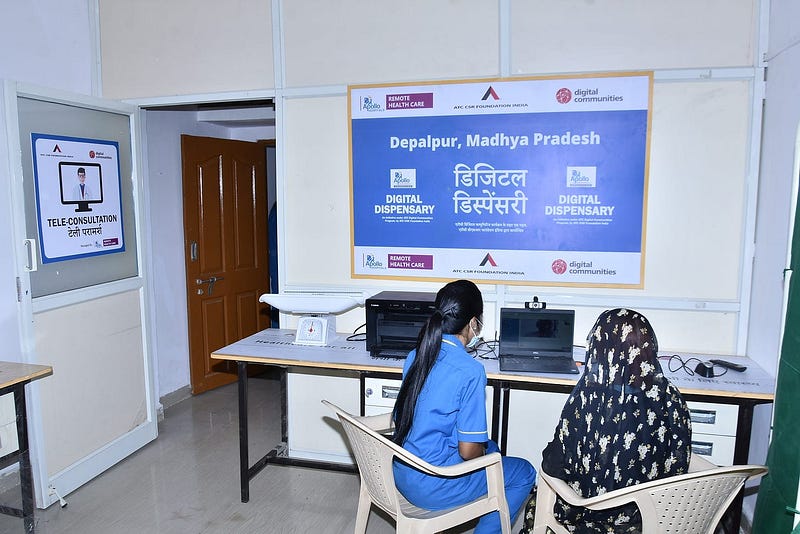
Role of Digital Health in India's Rural Healthcare Landscape

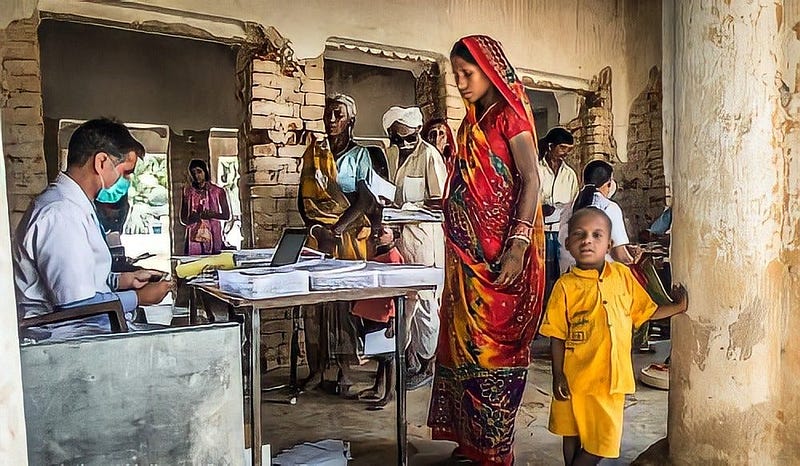
India’s vast rural expanse, home to more than two-thirds of the nation’s population, faces formidable challenges in accessing quality healthcare. Limited infrastructure, a shortage of qualified medical professionals, and geographic barriers create significant disparities between urban and rural healthcare delivery. Digital health solutions are emerging as a potent force in revolutionizing this landscape, promising to deliver equitable and accessible healthcare to India’s underserved rural communities.

Key Pillars of Digital Health Intervention

  • Telemedicine and Remote Consultations: At the forefront of digital health, telemedicine platforms are bridging the gap between patients in remote villages and specialists residing in faraway urban centres. These platforms facilitate real-time video consultations, allowing rural patients to receive diagnoses, treatment plans, and follow-up care without the need for arduous journeys to cities. This significantly reduces travel costs, time, and the burden on rural families.
  • Electronic Health Records (EHRs): Digitizing patient records is instrumental in improving care coordination and reducing medical errors. With EHRs, healthcare providers across different locations can access a patient’s medical history, ensuring continuity of care and informed decision-making. Digital records also streamline the referral process and aid in disease surveillance and outbreak management.
  • Mobile Health (mHealth) Applications: The proliferation of smartphones and internet connectivity has made mHealth apps a valuable tool for rural communities. These apps provide health education, preventive care information, medication reminders, and symptom checkers, empowering individuals to take charge of their health. In particular, pregnancy tracking and maternal health apps are proving to be lifelines in remote areas.
  • Remote Patient Monitoring (RPM): RPM technology allows healthcare providers to track vital signs, such as blood pressure and blood sugar, of patients with chronic diseases from afar. This proactive monitoring enables early interventions, facilitates timely adjustments to treatment plans, and reduces the risk of expensive hospitalizations.
  • Point-of-Care Diagnostics: Portable diagnostic devices connected to smartphones or tablets are bringing laboratory-quality testing to remote corners of India. These devices can perform tests for infectious diseases, anaemia, and other conditions, leading to rapid diagnoses and faster treatment initiation, which is crucial in resource-limited settings.

Benefits of Digital Health for Rural India

  • Improved Access to Care: Digital health transcends geographical barriers and overcomes the lack of specialists in rural areas. Patients can access essential medical services without the hardship and expense of traveling long distances.
  • Enhanced Quality of Care: EHRs and telemedicine consultations with specialists support rural healthcare providers in delivering higher quality care, leading to improved patient outcomes.
  • Cost Reduction: Digital health solutions reduce patient travel costs, minimize unnecessary hospitalizations, and improve efficiency in healthcare delivery, contributing to overall cost savings.
  • Preventive Care and Empowerment: mHealth apps and educational resources empower rural communities to adopt healthier lifestyles, practice preventive care, and make informed decisions about their health.

Challenges and Considerations

While the transformative potential of digital health is undeniable, its widespread adoption in rural India faces hurdles:

  • Digital Literacy & Adoption: Limited digital literacy and technological skills among some rural populations can hinder the uptake of digital health solutions.
  • Infrastructure: Unreliable internet connectivity and electricity supply in certain areas pose challenges for telemedicine and other digital health interventions.
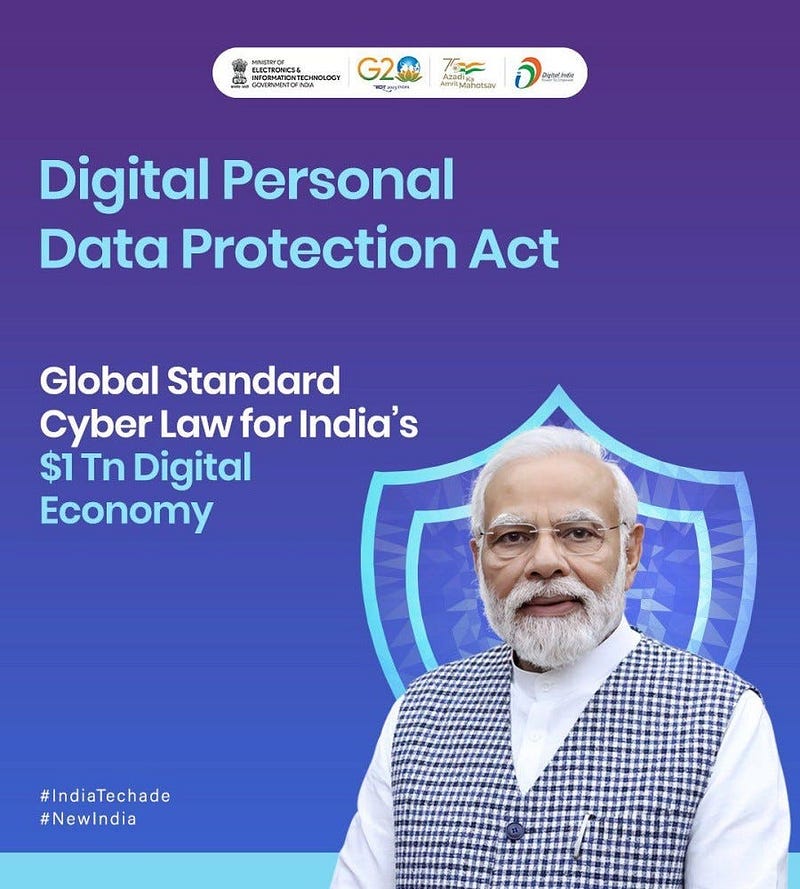
  • Data Security and Privacy: Robust measures are needed to ensure the security and privacy of sensitive patient data in the digital realm. In this regard Government of India passed The Digital Personal Data Protection Act (DPDPA) in August 2023. DPDPA assigns restrictions and obligations to organizations that process personal data including sensitive patient data.

The Way Forward

To fully realize the benefits of digital health in improving rural healthcare in India, collaborative efforts among government, healthcare providers, technology companies, and communities are vital. Key measures include:

  • Investing in Digital Infrastructure: Expanding broadband connectivity and ensuring reliable electricity supply in rural areas.
  • Digital Literacy Campaigns: Educating rural communities on the use of digital tools, promoting their adoption.
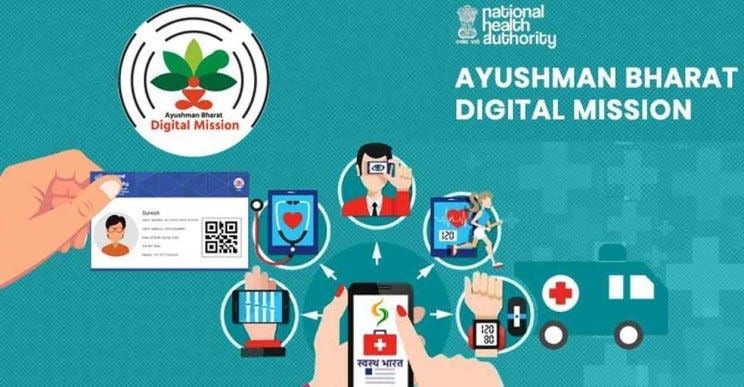
  • Government Initiatives: Continued support and favourable policies, including the Ayushman Bharat Digital Mission by National Health Authority (NHA), are key to scaling digital health initiatives. The Ayushman Bharat Digital Mission has the potential to transform the landscape of rural healthcare in India. Its focus on interoperability, inclusivity, and patient empowerment directly addresses the unique challenges of healthcare delivery in these regions.
  • Partnerships and Capacity Building: Training rural healthcare workers in digital health technologies and fostering collaboration between healthcare providers and technology innovators.

Digital health holds the key to bridging the healthcare divide between rural and urban India. Its strategic implementation offers an unprecedented opportunity to deliver affordable, accessible, and high-quality healthcare to the doorstep of those who need it the most.

Saturday, July 18, 2020

Digital Healthcare – Laws & Regulations in India


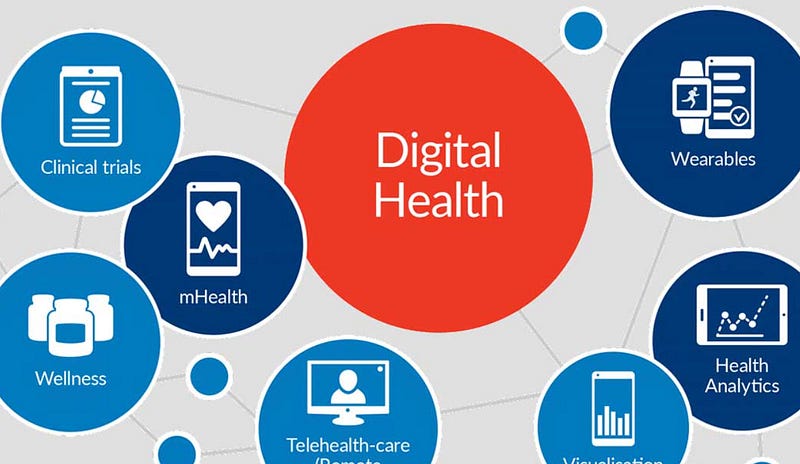
Digital health is using technologies to help improve individuals' health and wellness. These technologies include both hardware and software solutions and services, including telemedicine, web-based analysis, email, mobile phones and applications, text messages, wearable devices and clinic or remote monitoring sensors. Really it's about applying digital transformation, through disruptive technologies and cultural change, to the healthcare sector. Digital health is a multi-disciplinary domain involving many stakeholders, including clinicians, researchers and scientists with a wide range of expertise in healthcare, engineering, social sciences, public health, health economics and data management.

Digital Healthcare has been around in India since long but COVID-19 pandemic has put it in the spotlight and we are noticing mass adoption as 5 crore Indians accessed healthcare online in the last three months (Practo’s Insights Report, 18 Jun3 2020). In a significant move, the Ministry of Health and Family Welfare (“MoHFW”) on March 25, 2020, has issued the Telemedicine Practice Guidelines to provide healthcare using telemedicine and that is another major reason behind surge in online consultations. Also these Guidelines are one of the best guidelines ever published and the reason that telemedicine practice will stay in India. The Guidelines have made the practice of text/audio/video based medical care legal and regulated and thus have given platforms (mobile apps, web portals & social media) as well as doctors the standards to follow.

The legal and regulatory framework in India is/will be govern by following relevant acts / bills –
  • Telemedicine Practice Guidelines by MCI & NITI Aayog, 2020
  • Personal Data Protection Bill, 2019
  • Information Technology Act, 2000 & Information Technology Rules 2011
  • Clinical Establishment Act, 2010
  • MCI Act, 1956 & MCI Regulations 2002
  • Indian Medical Council Act, 1956 and Indian Medical Council Regulations 2002
  • Drugs & Cosmetics Act, 1940 and Rules 1945
  • Other Service Providers Regulations under the New Telecom Policy 1999

In September 2013, MoHFW notified the EHR Standards (Electronic Health Record Standards) for India.  Those standards were chosen from the best available & previously used standards applicable to International EHRs, keeping in view their suitability to and applicability in India.  Accordingly the EHR Standards 2016 document is notified and is placed herewith for adoption in IT systems by healthcare institutions and providers across the country.  The MoHFW facilitated its adoption by making available standards such as the Systematized Nomenclature of Medicine Clinical Terminology (SNOMED CT) free-for-use in India, as well as appointing the interim National Release Centre to handle the clinical terminology standard that is gaining widespread acceptance among healthcare IT stakeholder communities worldwide.

In addition, the MoHFW has proposed a new bill named DISHA (Digital Information Security in Healthcare Act) to govern data security in the healthcare sector.  The purpose of this Act will be to provide for electronic health data privacy, confidentiality, security and standardization.  The MoHFW, through the proposed DISHA, plans to set up a statutory body in the form of a national digital health authority for promoting and adopting: e-health standards; enforcing privacy and security measures for electronic health data; and regulating the storage and exchange of electronic health records.

One of the most immediate changes that health tech companies may need to be prepared for is the cost of compliance – with the Personal Data Protection (PDP) Bill 2019. As of the current interpretation of the text of the PDP Bill, 2019 (which effectively can get signed into law at any time) there is no period provided to affected companies to comply with the data protection measures in the Bill. The requirement of having a privacy-by-design system in place means that for a lot of companies the cost of compliance will go up as they would have to upgrade/overhaul their data protection systems and software. This change would be akin to the one experienced by European companies when they needed to comply with the General Data Protection Regulation (GDPR), but at least, in that case, there was a period prescribed within which companies were permitted to overhaul their security systems.


If any IT company or startup into Digital Healthcare plans to offer and add telemedicine/telehealth software to already existing software like healthcare CRMs, clinical software and patient management systems, have to incorporate all the relevant Acts & guidelines. It will not only help their clients but also will help companies because as per Telemedicine Practice Guidelines, technology platforms are obligated to ensure many instructions otherwise can be blacklisted.