Showing posts with label MOBILE HEALTHCARE. Show all posts

Tuesday, February 27, 2024

Role of Digital Health in India's Rural Healthcare Landscape

India’s vast rural expanse, home to more than two-thirds of the nation’s population, faces formidable challenges in accessing quality healthcare. Limited infrastructure, a shortage of qualified medical professionals, and geographic barriers create significant disparities between urban and rural healthcare delivery. Digital health solutions are emerging as a potent force in revolutionizing this landscape, promising to deliver equitable and accessible healthcare to India’s underserved rural communities.
Key Pillars of Digital Health Intervention

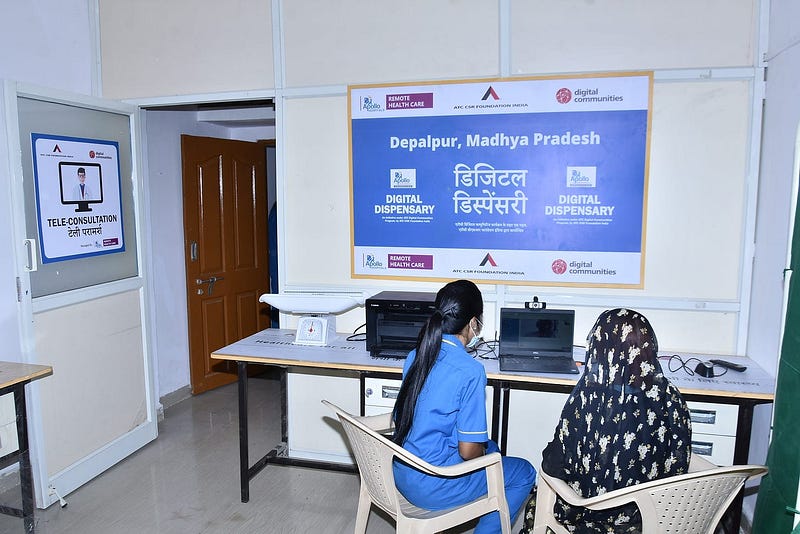
  • Telemedicine and Remote Consultations: At the forefront of digital health, telemedicine platforms are bridging the gap between patients in remote villages and specialists residing in faraway urban centres. These platforms facilitate real-time video consultations, allowing rural patients to receive diagnoses, treatment plans, and follow-up care without the need for arduous journeys to cities. This significantly reduces travel costs, time, and the burden on rural families.
  • Electronic Health Records (EHRs): Digitizing patient records is instrumental in improving care coordination and reducing medical errors. With EHRs, healthcare providers across different locations can access a patient’s medical history, ensuring continuity of care and informed decision-making. Digital records also streamline the referral process and aid in disease surveillance and outbreak management.
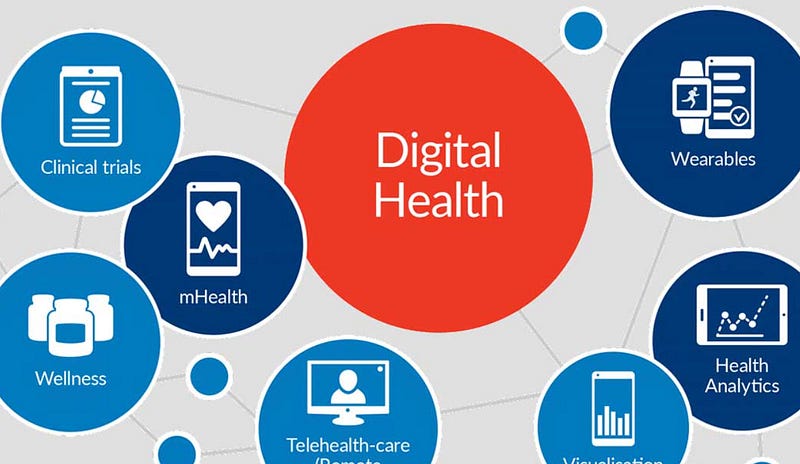
  • Mobile Health (mHealth) Applications: The proliferation of smartphones and internet connectivity has made mHealth apps a valuable tool for rural communities. These apps provide health education, preventive care information, medication reminders, and symptom checkers, empowering individuals to take charge of their health. In particular, pregnancy tracking and maternal health apps are proving to be lifelines in remote areas.
  • Remote Patient Monitoring (RPM): RPM technology allows healthcare providers to track vital signs, such as blood pressure and blood sugar, of patients with chronic diseases from afar. This proactive monitoring enables early interventions, facilitates timely adjustments to treatment plans, and reduces the risk of expensive hospitalizations.
  • Point-of-Care Diagnostics: Portable diagnostic devices connected to smartphones or tablets are bringing laboratory-quality testing to remote corners of India. These devices can perform tests for infectious diseases, anaemia, and other conditions, leading to rapid diagnoses and faster treatment initiation, which is crucial in resource-limited settings.

Benefits of Digital Health for Rural India

  • Improved Access to Care: Digital health transcends geographical barriers and overcomes the lack of specialists in rural areas. Patients can access essential medical services without the hardship and expense of traveling long distances.
  • Enhanced Quality of Care: EHRs and telemedicine consultations with specialists support rural healthcare providers in delivering higher quality care, leading to improved patient outcomes.
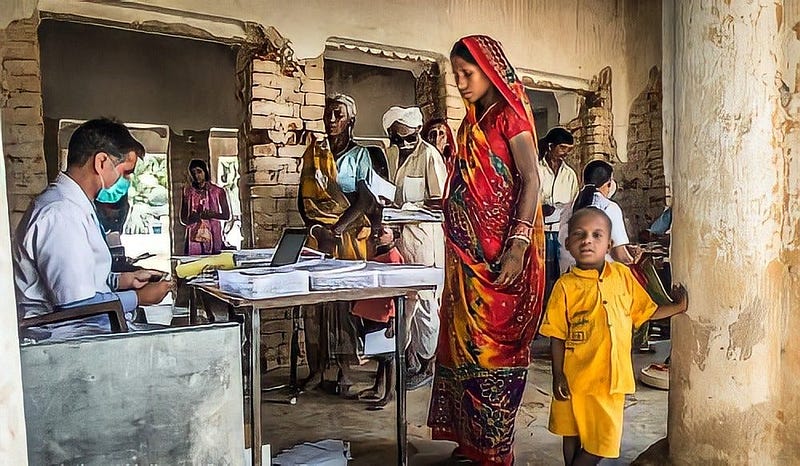
  • Cost Reduction: Digital health solutions reduce patient travel costs, minimize unnecessary hospitalizations, and improve efficiency in healthcare delivery, contributing to overall cost savings.
  • Preventive Care and Empowerment: mHealth apps and educational resources empower rural communities to adopt healthier lifestyles, practice preventive care, and make informed decisions about their health.

Challenges and Considerations

While the transformative potential of digital health is undeniable, its widespread adoption in rural India faces hurdles:

  • Digital Literacy & Adoption: Limited digital literacy and technological skills among some rural populations can hinder the uptake of digital health solutions.
  • Infrastructure: Unreliable internet connectivity and electricity supply in certain areas pose challenges for telemedicine and other digital health interventions.
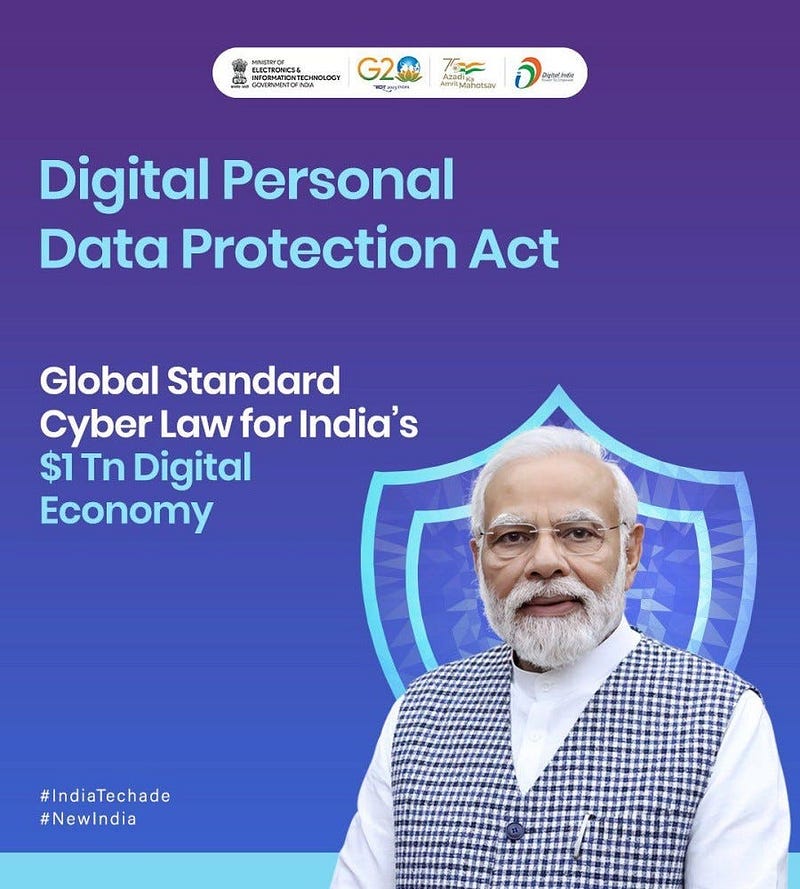
  • Data Security and Privacy: Robust measures are needed to ensure the security and privacy of sensitive patient data in the digital realm. In this regard Government of India passed The Digital Personal Data Protection Act (DPDPA) in August 2023. DPDPA assigns restrictions and obligations to organizations that process personal data including sensitive patient data.

The Way Forward

To fully realize the benefits of digital health in improving rural healthcare in India, collaborative efforts among government, healthcare providers, technology companies, and communities are vital. Key measures include:

  • Investing in Digital Infrastructure: Expanding broadband connectivity and ensuring reliable electricity supply in rural areas.
  • Digital Literacy Campaigns: Educating rural communities on the use of digital tools, promoting their adoption.
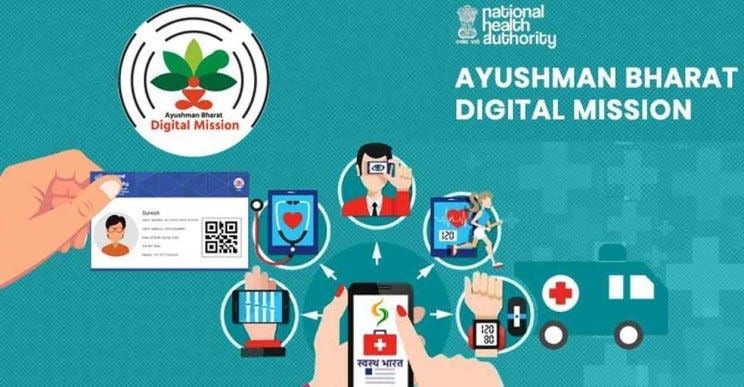
  • Government Initiatives: Continued support and favourable policies, including the Ayushman Bharat Digital Mission by National Health Authority (NHA), are key to scaling digital health initiatives. The Ayushman Bharat Digital Mission has the potential to transform the landscape of rural healthcare in India. Its focus on interoperability, inclusivity, and patient empowerment directly addresses the unique challenges of healthcare delivery in these regions.
  • Partnerships and Capacity Building: Training rural healthcare workers in digital health technologies and fostering collaboration between healthcare providers and technology innovators.

Digital health holds the key to bridging the healthcare divide between rural and urban India. Its strategic implementation offers an unprecedented opportunity to deliver affordable, accessible, and high-quality healthcare to the doorstep of those who need it the most.

Saturday, July 18, 2020

Digital Healthcare – Laws & Regulations in India


Digital health is using technologies to help improve individuals' health and wellness. These technologies include both hardware and software solutions and services, including telemedicine, web-based analysis, email, mobile phones and applications, text messages, wearable devices and clinic or remote monitoring sensors. Really it's about applying digital transformation, through disruptive technologies and cultural change, to the healthcare sector. Digital health is a multi-disciplinary domain involving many stakeholders, including clinicians, researchers and scientists with a wide range of expertise in healthcare, engineering, social sciences, public health, health economics and data management.

Digital Healthcare has been around in India since long but COVID-19 pandemic has put it in the spotlight and we are noticing mass adoption as 5 crore Indians accessed healthcare online in the last three months (Practo’s Insights Report, 18 Jun3 2020). In a significant move, the Ministry of Health and Family Welfare (“MoHFW”) on March 25, 2020, has issued the Telemedicine Practice Guidelines to provide healthcare using telemedicine and that is another major reason behind surge in online consultations. Also these Guidelines are one of the best guidelines ever published and the reason that telemedicine practice will stay in India. The Guidelines have made the practice of text/audio/video based medical care legal and regulated and thus have given platforms (mobile apps, web portals & social media) as well as doctors the standards to follow.

The legal and regulatory framework in India is/will be govern by following relevant acts / bills –
  • Telemedicine Practice Guidelines by MCI & NITI Aayog, 2020
  • Personal Data Protection Bill, 2019
  • Information Technology Act, 2000 & Information Technology Rules 2011
  • Clinical Establishment Act, 2010
  • MCI Act, 1956 & MCI Regulations 2002
  • Indian Medical Council Act, 1956 and Indian Medical Council Regulations 2002
  • Drugs & Cosmetics Act, 1940 and Rules 1945
  • Other Service Providers Regulations under the New Telecom Policy 1999

In September 2013, MoHFW notified the EHR Standards (Electronic Health Record Standards) for India.  Those standards were chosen from the best available & previously used standards applicable to International EHRs, keeping in view their suitability to and applicability in India.  Accordingly the EHR Standards 2016 document is notified and is placed herewith for adoption in IT systems by healthcare institutions and providers across the country.  The MoHFW facilitated its adoption by making available standards such as the Systematized Nomenclature of Medicine Clinical Terminology (SNOMED CT) free-for-use in India, as well as appointing the interim National Release Centre to handle the clinical terminology standard that is gaining widespread acceptance among healthcare IT stakeholder communities worldwide.

In addition, the MoHFW has proposed a new bill named DISHA (Digital Information Security in Healthcare Act) to govern data security in the healthcare sector.  The purpose of this Act will be to provide for electronic health data privacy, confidentiality, security and standardization.  The MoHFW, through the proposed DISHA, plans to set up a statutory body in the form of a national digital health authority for promoting and adopting: e-health standards; enforcing privacy and security measures for electronic health data; and regulating the storage and exchange of electronic health records.

One of the most immediate changes that health tech companies may need to be prepared for is the cost of compliance – with the Personal Data Protection (PDP) Bill 2019. As of the current interpretation of the text of the PDP Bill, 2019 (which effectively can get signed into law at any time) there is no period provided to affected companies to comply with the data protection measures in the Bill. The requirement of having a privacy-by-design system in place means that for a lot of companies the cost of compliance will go up as they would have to upgrade/overhaul their data protection systems and software. This change would be akin to the one experienced by European companies when they needed to comply with the General Data Protection Regulation (GDPR), but at least, in that case, there was a period prescribed within which companies were permitted to overhaul their security systems.


If any IT company or startup into Digital Healthcare plans to offer and add telemedicine/telehealth software to already existing software like healthcare CRMs, clinical software and patient management systems, have to incorporate all the relevant Acts & guidelines. It will not only help their clients but also will help companies because as per Telemedicine Practice Guidelines, technology platforms are obligated to ensure many instructions otherwise can be blacklisted.

Tuesday, June 9, 2015

Online Healthcare in 2015 & Beyond


There are all kinds of facts, figures, and guesses floating around right now as to what will be the top healthcare challenges and trends in 2015 and beyond. The Indian healthcare sector alone is estimated to touch $160 billion in 2017 – roughly double from what it was in 2012 (according to a report by Equentis Capitals) resulting in the CAGR growth rate of about 15%. There are a bunch of factors such as easier access to good healthcare services, relative increase in incomes and more emphasis on health awareness all contributing to this growth. Not just this, there is a significant demand in the quality of healthcare services in Tier-II and Tier-III cities which means people are recognizing the need for specialty-care.


India’s obvious advantage is the large pool of medical professionals and the dramatically lower medical costs as compared to other Asian and western countries. The surgeries reportedly cost one-tenth of that in US or Europe, making it a lucrative location for medical tourism and even R&D. Other than being widely known to be an English speaking country, alternative techniques like Homeopathy, Ayurveda, Yoga and Unani make it stand out when compared to other competing south-east Asian and middle-eastern countries.

Technology will be a game changer in the manner in which healthcare services will be delivered in India. The private sector will be the major driving force behind technology adoption in the Indian healthcare segment. To optimize costs and effectively manage operations, IT solutions will become an integral part of process management, patient care and the Management Information System (MIS) in hospitals. With the health insurance sector poised for major growth in the coming decade, increasing demand from this sector for more efficient systems for storage and retrieval of information will put pressure on hospitals and other healthcare providers to imbibe technology to modernize existing infrastructure.

The convergence of healthcare with upcoming technologies such as Cloud Computing and wireless technologies will play a key role in improving accessibility and meeting the challenge of manpower shortage. The coming years are expected to witness greater deployment of tools such as Telemedicine, Teleradiology, Hospital Information Systems (HIS)/Hospital Management Information Systems (HMIS), online or Electronic Medical Records (EMR), etc.

InnovationJam_Animated-600x339


It is estimated that there will be over 550 million internet users in 2018. 
In India, there will be an estimated 200M smartphone users by 2016.

Online healthcare has increased communication among various people. It is not only making doctors and hospitals more accessible to patients, it is also helping patients connect with other patients. People want to read real stories not just to be informed, but to be inspired. Furthermore, it is assisting people to learn more about their bodies and give all kinds of health information to potential patients- making them aware of treatment options and preventive measures.

Doctors are connecting with other doctors across the world. This global shift in digital healthcare is making it possible for people to receive more personalized and precise medicine and health services – reducing errors and cost, in turn, improving quality and providing easier access to medical facilities.

Challenges

India is home to a majority of people who are referred to doctors by family and relatives or by word-of-mouth. Making people believe that their health issues can be handled through the internet is a real problem. Building trust among these people can spell great success for healthcare portals.

Another point to note is that there are several healthcare start-ups focusing solely on ‘booking appointments’, and not many players in the hospitalization space. In India, the domestic hospitalization industry is a total of $280 billion (according to a McKinsey report), while the international hospitalization industry is indicated to be about $4 + billion (according to a report by Ministry of Health/KPMG 2014). This means, massive business for start-ups like Credihealth, who are adopting hospitalization as their forté.

Sunday, November 30, 2014

Technology Trends in Indian Healthcare

Technology has made almost anything possible in the field of healthcare. Many of the devices invented can help users lead healthier and productive lives and has progressed into an atmosphere of organized data in the healthcare flowing from patients to physicians, diagnostic clinicians, pharmacists and medical insurance billing specialists. Here is a list of technology trends shaping the future of medicine


#1.BYOD prevalence


The BYOD also known as Bring Your Own Device is increasing popularity in the healthcare industry. The consumerization of IT and the BYOD movement in the workplace has proven to be extremely beneficial for the healthcare industry, allowing providers to access patient data, billing information, clinical trial data and employee information on-the-go. To help deal with healthcare’s primary BYOD challenges, since managing information involves risk, the healthcare industry should consider whole security programs allowing for longer term security strategies.


#2.Big data


Big data has lately begun to become an integral aspect in healthcare. It is a term used for massive amounts of information that can be interpreted by analytics to provide an overview of trends or patterns. Organizations influence big data by gathering records and information captured and then interpreting it with analytics. It has applications range from provider-specific business intelligence  over an entire state's health records to identify people who are at risk for certain ailments and can help target early warning signs and improve patient safety.

Friday, April 25, 2014

Healthcare Information Technology Trends in 2014

Year 2013 has been an eventful year in the healthcare industry. HHS (Health and human services) issued set of modifications to the HIPAA privacy and security rules assuring enhanced protection for patients’ protected health information. Quick adoption of EHRs (electronic health records) in the wake of the HITECH Act and the phenomenal growth in remote monitoring capabilities—specifically mhealth, made the news. Serious talks were delivered on the importance of liquid data within healthcare organizations accelerating their journey to an effective and efficient personalized care. And we also heard about Google Glass being the potentially transformative new gadget that could revolutionize healthcare soon.
Image
The healthcare IT landscape is evolving and the market is on an upswing for sure. To keep pace with the rising tide, it may be worthwhile to have a quick look at some of the healthcare IT trends predicted by the experts and industry analysts for the year 2014.
1- Mobile healthcare- The Rising Star
Mobile healthcare also termed as m-Health by many, is rapidly gaining interest amongst the consumers and the developer fraternity. The m-Health market, consisting of medical devices like cardiac monitors, diabetes management devices, Wearable fitness tracking devices and healthcare applications is estimated to be valued at $6.6 billion in 2013 and is expected to reach $20.7 billion by 2018 at a healthy CAGR of 25.5%, according to research report.
Image
With growing number of healthcare apps in app stores and increased awareness of the benefits of preventive and wellness oriented programs, m-Health has the potential to transform the healthcare industry.
ISV’s in the healthcare domain may find better acceptance rates for integrated m-Health applications, which can seamlessly interact with other devices, apps and are able to share data to provide comprehensive healthcare.
2- BYOD- Clinical Staff Embracing Tablets & Smartphones in their Workflow
Healthcare industry has been no different than any other in the mixed interest shown towards Bring Your Own Device (BYOD). The administrators are skeptical of it citing security concerns, whereas doctors and nurses have been championing towards the cause due to increased flexibility and mobility provided in their workflow with usage of tablets and smartphones.
Image
Benefits of BYOD in healthcare include but not limited to better access to patient information resulting in enhanced medical care to improved communication and cost savings.
Healthcare organizations considering the growing wave of mobile users will need to outline a good BYOD policy which also caters to and are in compliance with HIPAA and HITECH requirements.
3- Data Security – Privacy and Integrity of Data to be a Prime Concern
Image
Healthcare industry deals with extremely sensitive data and with the recent changes to HIPPA under the HITECH act has made data security a top concern/priority for Healthcare CIO’s. Security administrators will need to work harder to strike a balance between adequately protecting the confidentiality and integrity of patient information and at the same time ensure ready access to the data to authorized personnel.
4- Interoperable IT environment – Healthcare Information Exchange Standards to get a push
Healthcare information exchange (HIE) is the capability to mobilize healthcare information electronically among incongruent healthcare information systems within a region, community or hospital system, while upholding the meaning of information being exchanged.
The healthcare industry is striving towards developing an environment of interoperability amongst healthcare information systems, where the healthcare data can move freely, be accessed and analyzed by various systems in secured way to provide timely and efficient patient centered care, irrespective of vendor producing the electronic health record (EHR) data.
To achieve this, the industry is pushing for standardization in recording of patient data and for IT solutions to have interoperable frameworks to facilitate secured retrieval and access of data.
5- Big data Solutions – Adoptions to increase
With the advent of digitized patient data in form of EHR’s and host of data collected from wearable medical devices, healthcare industry can definitely benefit from Big Data technology.
Image
We have recently highlighted how Big data analytics can help in healthcare industry. The decision making in healthcare can be improved substantially by using Big Data Technologies. Using Hadoop eco system, health care providers can now process massive data sets to see the evidences and arrive at correct decision faster than before.
Leading research firm Gartner states that Healthcare industry is second in terms of investments planned during the next two years (2014-15) for Big Data.
6- Clinical Decision Support Systems- Increase in Implementations
A clinical decision support system (CDSS) is a knowledge based application which analyzes data to help healthcare providers make better decisions. It is an adaptation of the decision support system (DSS) commonly used to support business management.
Image
As stated in the above trend, patient data in digitized form is now available and hence constitutes as the essential data supply for these decision support systems. Also the Centre for Medicare and Medicaid services (CMS) in its meaningful use stage 3 wants hospitals to increase use of CDSS.
The demand to utilize these data mass to help healthcare personnel arrive at better decisions is growing.
7- Healthcare Data in Cloud- Migration to Increase
Organizations across the healthcare industry are looking towards Cloud computing offers in this turbulent transition phase towards IT. Cloud offers flexible storage facilities for ever-increasing clinical data and solves the challenge involving access and sharing of this data across various systems and geographies without significant costs and infrastructure investment.
Image
Research firm IDC states that the cloud presents strong opportunities for healthcare providers to create efficiencies, flexibility, and agility while increasing service levels for applications.
We could surely see healthcare institutions migrate more and more data into the cloud in a bid to comply with regulatory requirements and also to drive down their operational costs and improve healthcare delivery.
The above mentioned trends depict a very exciting transformational direction for healthcare industry. It will be interesting to see how Big Data transforms the healthcare industry with its key insights and actionable information and how m-Health improves patient well being.
References:
http://www.gartner.com/newsroom/id/2593815
http://www.healthit.gov/providers-professionals/how-attain-meaningful-use
http://www.emrapproved.com/what-is-emr.php
http://searchhealthit.techtarget.com/definition/clinical-decision-support-system-CDSS